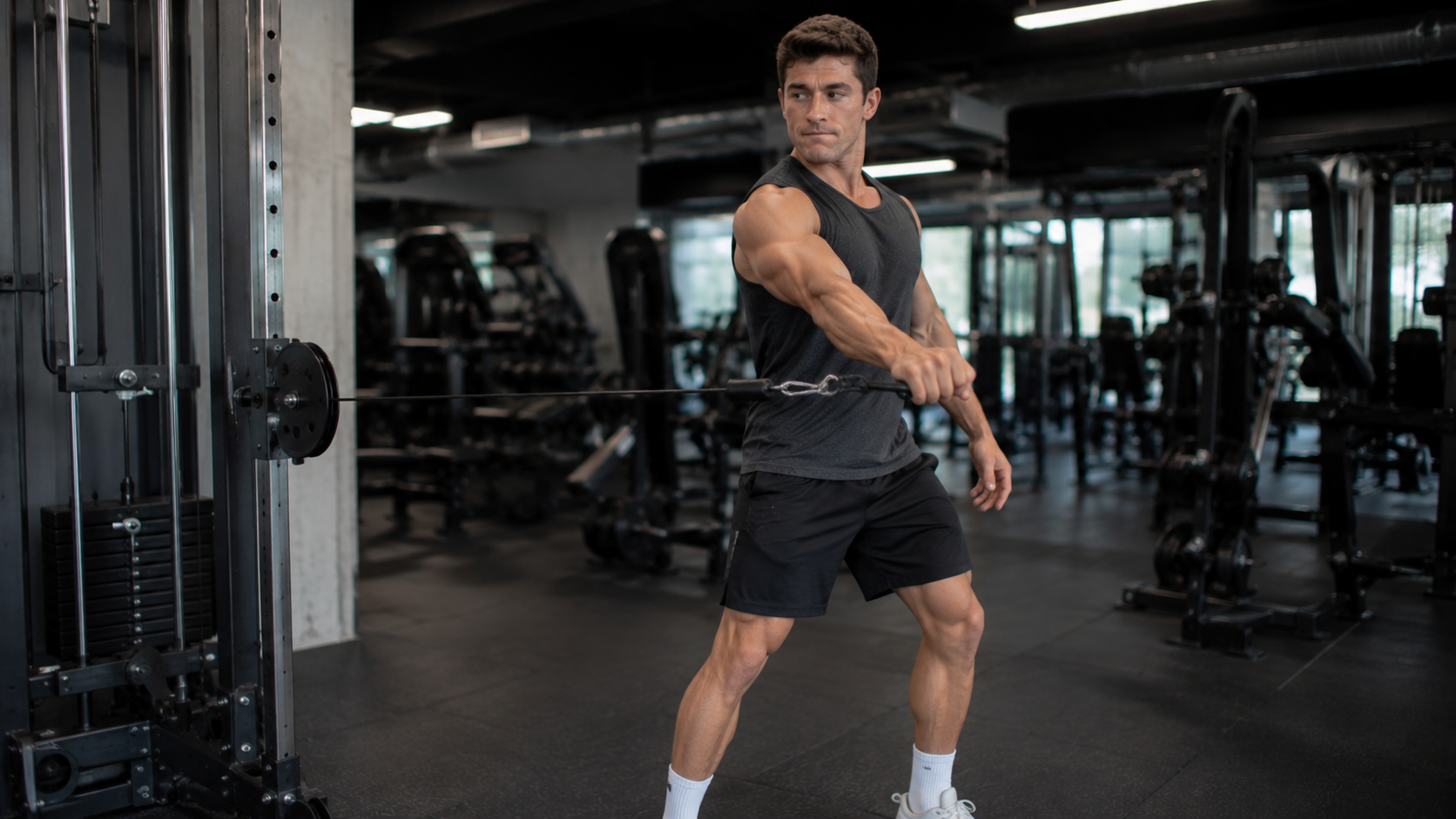
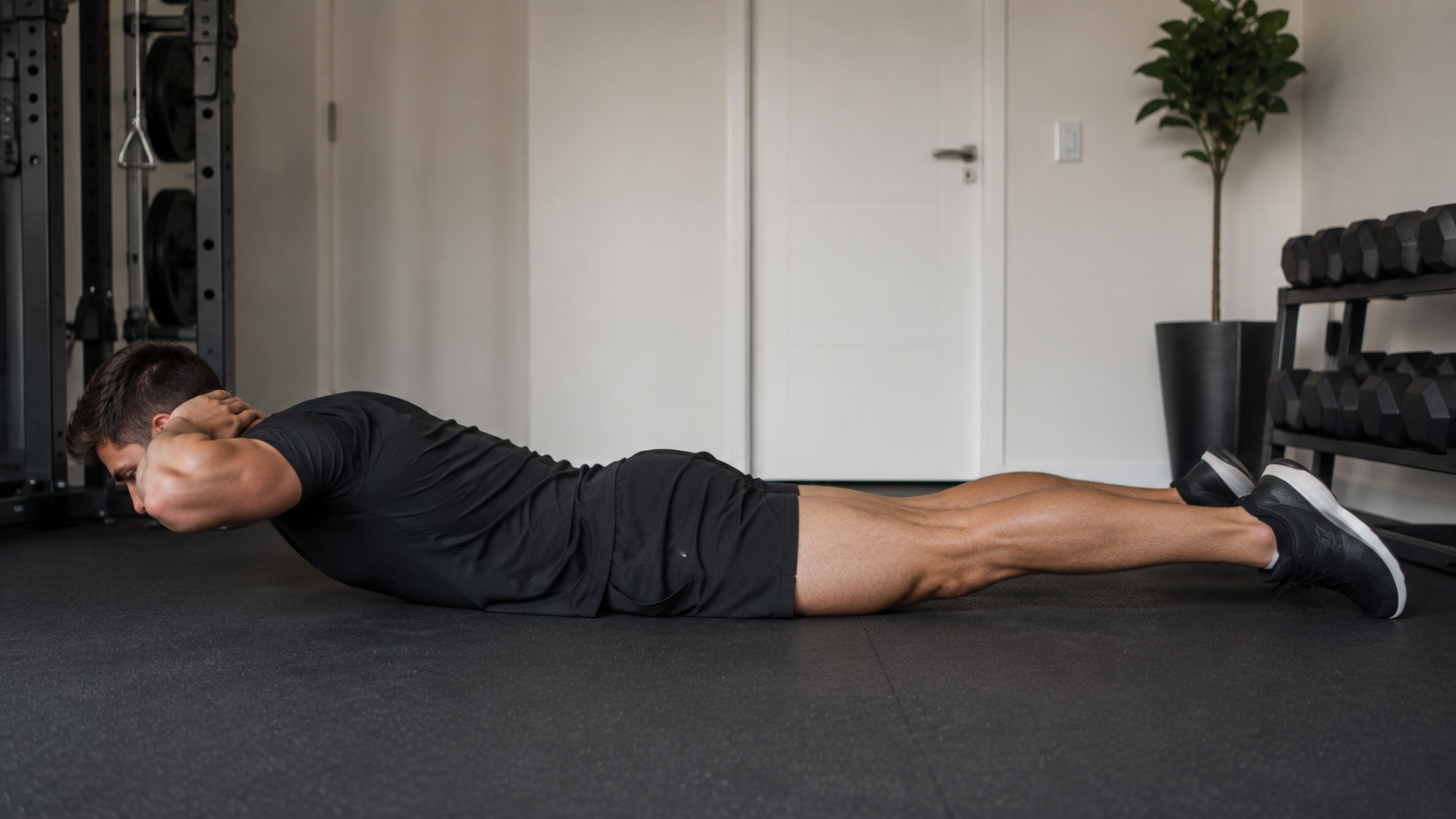
Use the hyperextension bench if you have one, or the bodyweight version at home or in a gym if you do not. The bench gives you the pad and foot support that make the movement easier to control; the bodyweight version is the simplest fallback when space or equipment is tight. Pick the version that lets you lower under control, keep your back straight, and finish with your torso in line with your legs.
Match the substitute to the goal
Pick the version that changes the emphasis instead of rephrasing the same tradeoff. Use the one that best matches the bias you want: more hip extension for glutes, more hip fold for hamstrings, or stricter trunk control for lower-back work.
Best bodyweight alternatives at home
At home, the clean no-equipment pick is the bodyweight back extension. It hits the lower back, glutes, and hamstrings without a bench load, and it works best when you lower under control, pause at the bottom, then come back up in one clean line with your legs. If you want the movement to stay honest, keep the torso straight on the way down and finish with the body in line with the legs.
Best dumbbell and loadable options
The simplest loaded swap is the one that still lets you keep your back straight and the rep controlled. If the setup changes the movement so much that you lose the clear top position or start folding early, it is the wrong fit. For home or gym, the bodyweight version is the clean baseline; add load only if you can keep the same line from torso to legs.
How to keep the hinge honest
Use the pause to separate the rep from the swing. That gives you a clean bottom position and a clean finish without adding new hinge cues.
If you want more glutes, think about driving the hips through on the way up. If you want more hamstrings, slow the descent and keep the range honest.
What Corect looks for in video
Look for a rep where the torso and hips move together and the back stays straight. If the low back takes over first, the work shifts away from the glutes and hamstrings.
At the bottom, the body should pause briefly, then come back up until the torso is in line with the legs. A clean rep keeps that line without turning into a lean-back.
Simple selection guide
Pick the version you can control without losing a neutral back. If you need the closest bodyweight option, use this. If you need more load or a different target, choose a different movement.
Back Extension: the movement, step by step
- Adjust the hyperextension bench so that your upper thighs are resting on the pad and your feet are secured.
- Cross your arms over your chest or place your hands behind your head.
- Lower your upper body towards the ground while keeping your back straight.
- Pause for a moment at the bottom, then raise your upper body back up until it is in line with your legs.
- Repeat for the desired number of repetitions.
Common questions
What is the simplest back extension alternative at home?
The clean no-equipment pick is the bodyweight back extension. It works best when you lower under control, pause at the bottom, and come back up in one clean line with your legs.
How do I choose the right substitute for my goal?
Pick the version that changes the emphasis instead of repeating the same tradeoff. Use the one that best matches the bias you want: more hip extension for glutes, more hip fold for hamstrings, or stricter trunk control for lower-back work.
What should a clean rep look like?
The torso and hips should move together, and the back should stay straight. At the bottom, pause briefly, then come back up until the torso is in line with the legs.
The hardest part of fixing any of this is that you cannot see yourself mid-rep. Corect reads your form from a phone video and shows you what actually happened on each rep of your back extension — depth, bar path, where the breakdown starts. Try it free.