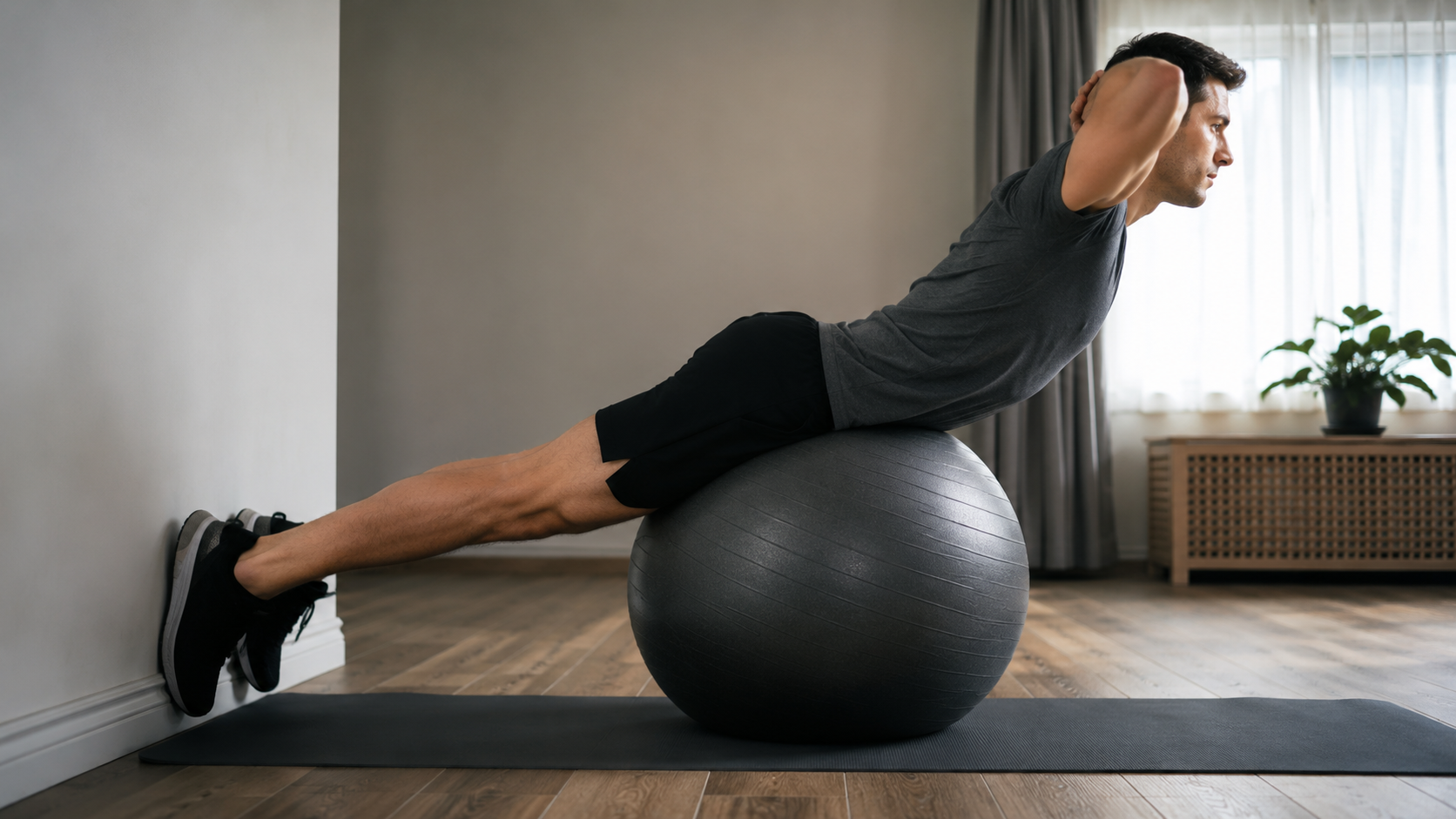
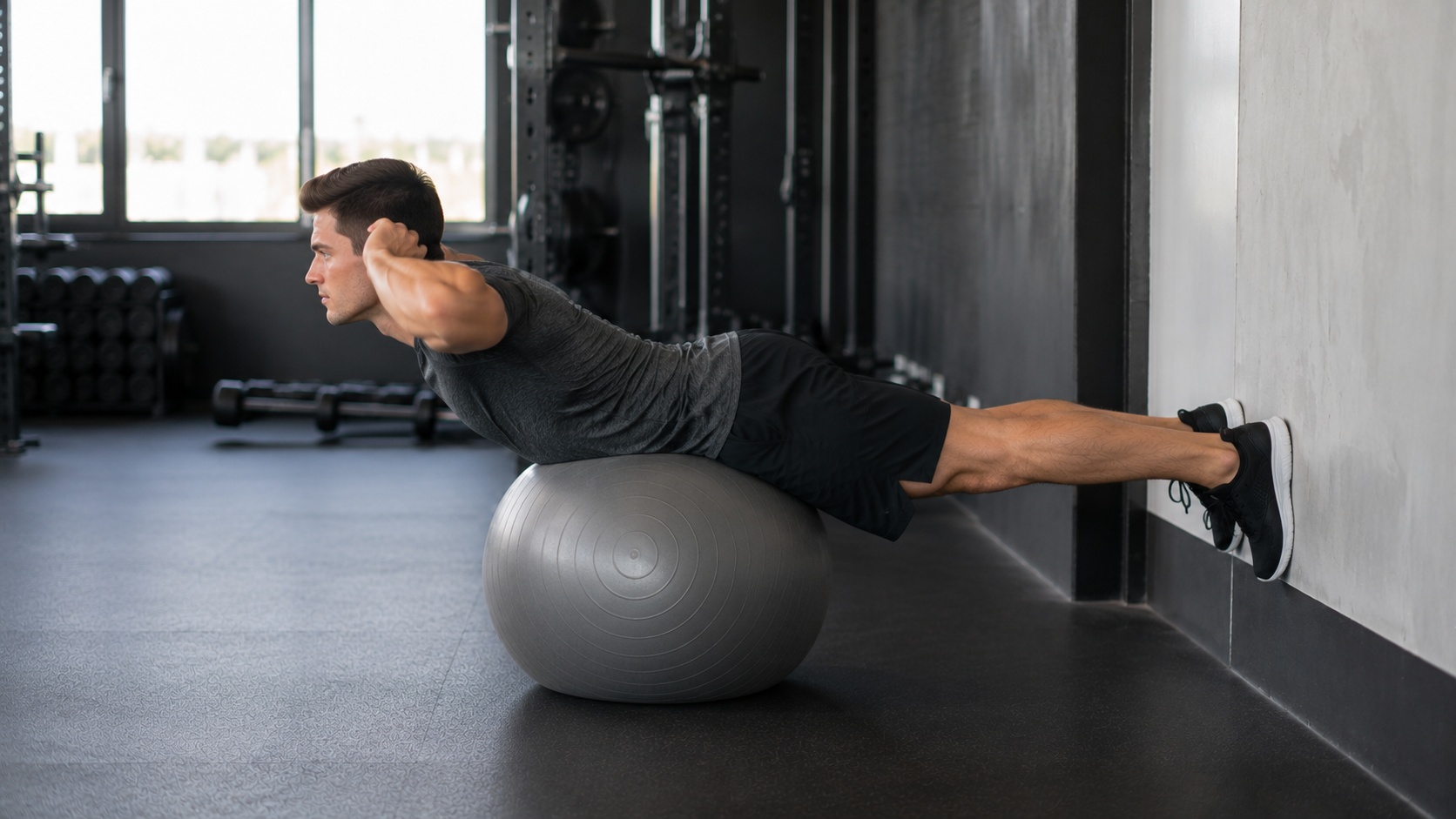
If you need the closest match with minimal setup, use the version you can do at home or in a gym with just a stability ball and a wall or other stable surface. It keeps the back, glutes, and hamstrings working together, so you preserve the main hinge pattern without needing much space.
If your knees do not like the setup, do not force it. A substitute is only worth using if you can hold the position rep to rep and still control the same back-and-hip movement; once that breaks down, it stops being a clean replacement.
What the original movement is actually doing
The key is not just lifting the torso. It is keeping the hips planted while the spine moves under control so the work stays on the glutes, hamstrings, and erectors instead of spilling into a loose back bend.
A good swap should still let you show that same hip-driven pattern and steady trunk control in video. If it turns into a pure spinal arch, it is no longer a close match.
No-equipment alternatives
For no-equipment work, use floor-based posterior chain drills that keep the same idea: hip extension with the trunk held under control. A prone floor back extension is the closest match. It preserves spinal extension, glute and hamstring work, and the need to brace before you move, but you give up the bigger range of motion and the instability of the ball setup.
A bodyweight hip hinge or good morning pattern is the next option. It keeps the hinge and the neutral-spine control, but it shifts more toward pure hip extension and less toward the upper-back lift you get on the ball.
Pick the one that still looks clean on video. If you cannot keep the trunk from folding or twisting, it is the wrong substitute.
Gym alternatives when equipment is limited
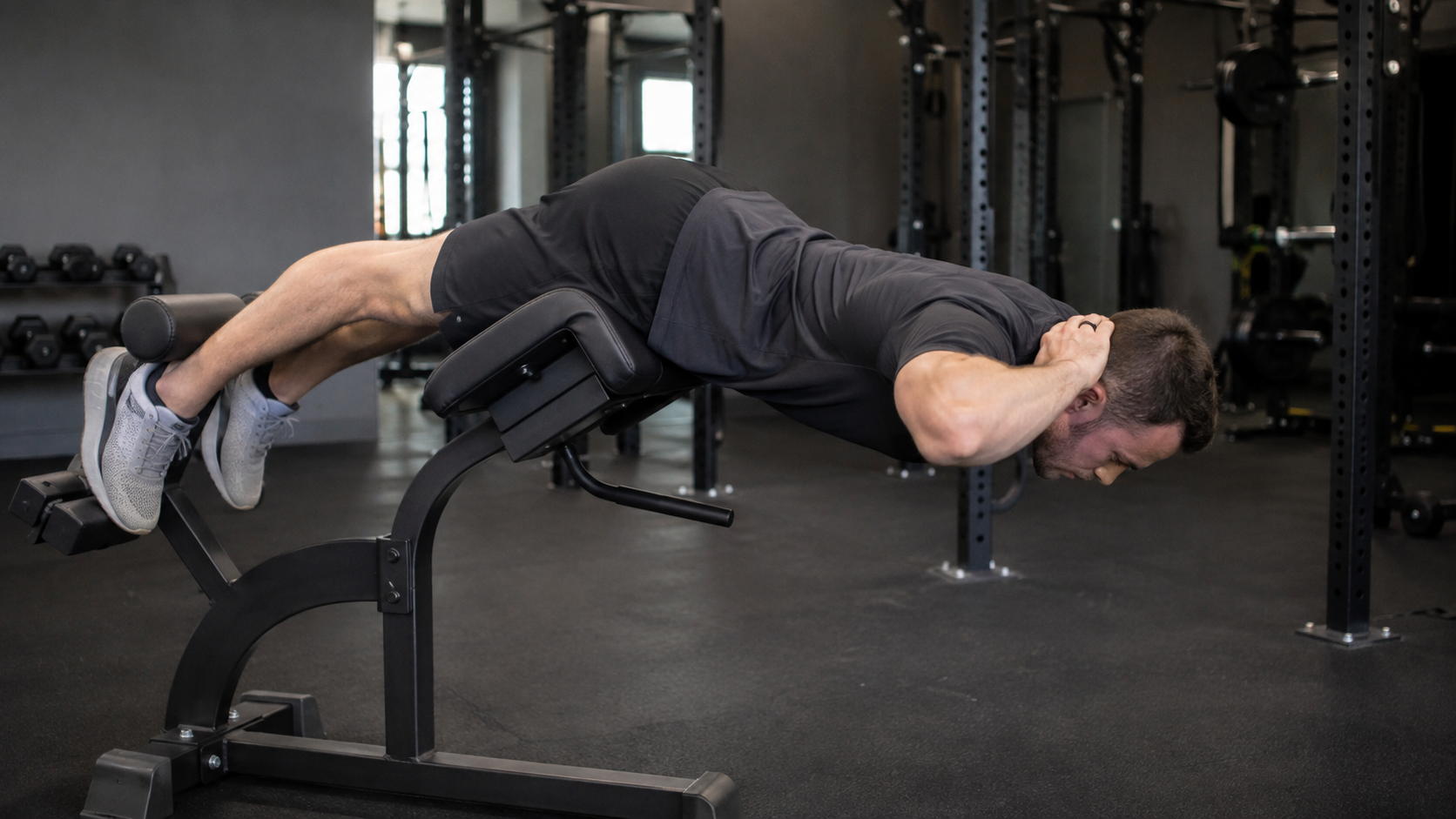
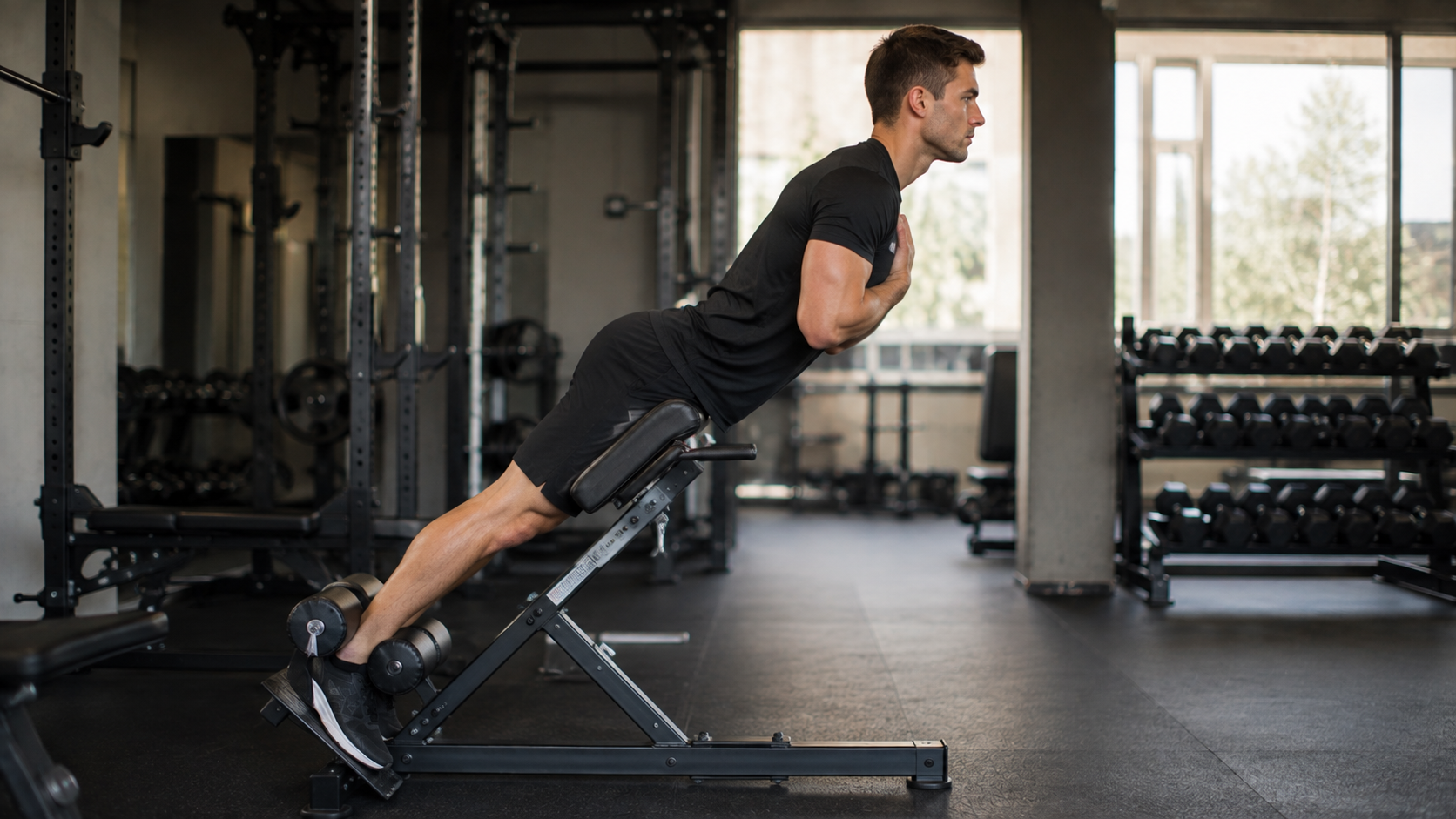
If the ball station is taken, use a Roman chair, GHD, or 45-degree bench. These keep the same back, glute, and hamstring emphasis with less setup.
A Romanian deadlift works too if you want a loaded option with more room for weight.
If your knees hate the setup
If the ball setup feels awkward, use a prone back-extension variation instead. You keep the same back, glute, and hamstring focus, but drop the unstable ball and wall foot pressure.
If you want a simple home option, pick the one that lets your torso move cleanly without turning into a squat or a rushed swing.
How to pick the closest replacement
Pick the swap that keeps the main limitation you need most. If you want glutes and hamstrings, choose another posterior-chain move. If you want more lower-back emphasis, keep a variation that lets you extend the spine against gravity. If your setup is the issue, pick the version you can repeat cleanly with control.
What good form should look like on video
On video, the clean rep starts with your hips set on the stability ball and your feet pinned to a wall or other stable surface. The lift should come from your back extending while your lower body stays anchored.
Look for these checks:
- Your hips stay on the ball as you lift.
- The body comes up to a straight line from head to heels.
- The top pause is brief and controlled, not a jerk.
- The rep stops at straight line, not past it.
- Your neck does not throw back and your lower back does not snap into a bigger arch at the top.
If the rep turns into head throwing, rib flare, or a big lumbar snap at the top, it is a poor substitute.
Common mistakes that make a swap worse
The bad swaps are the ones that stop loading the back and start turning into a general hinge. If the substitute changes the feel so the movement is driven somewhere else, it is no longer a close match.
A better swap keeps the trunk stable and the back working through a clean lift and lower. If the rep relies on extra range, speed, or visible strain instead of control, it is usually the wrong fit.
On video, the body should rise and return without turning into a loose bend. If the shape changes into a different movement pattern, the swap is worse than the original setup.
Back Extension On Exercise Ball: the movement, step by step
- Place the stability ball on the ground and lie face down on top of it, with your hips resting on the ball and your feet against a wall or other stable surface.
- Position your hands behind your head or crossed over your chest.
- Engage your core and slowly lift your upper body off the ball, extending your back until your body forms a straight line from your head to your heels.
- Pause for a moment at the top, then slowly lower your upper body back down to the starting position.
- Repeat for the desired number of repetitions.
Common questions
What is the closest no-equipment alternative to back extension on an exercise ball?
A prone floor back extension is the closest match. It keeps spinal extension, glute and hamstring work, and the need to brace before you move, but gives up the ball's range of motion and instability.
What should I use in the gym if the stability ball station is taken?
Use a Roman chair, GHD, or 45-degree bench. A Romanian deadlift also works if you want a loaded option with more room for weight.
What if the ball setup bothers my knees?
Use a prone back-extension variation instead. It keeps the same back, glute, and hamstring focus while dropping the unstable ball and wall foot pressure.
What makes a substitute a good match?
A good swap still shows a hip-driven pattern and steady trunk control. If it turns into a pure spinal arch or a different movement pattern, it is no longer a close match.
The hardest part of fixing any of this is that you cannot see yourself mid-rep. Corect reads your form from a phone video and shows you what actually happened on each rep of your back extension on exercise ball — depth, bar path, where the breakdown starts. Try it free.