
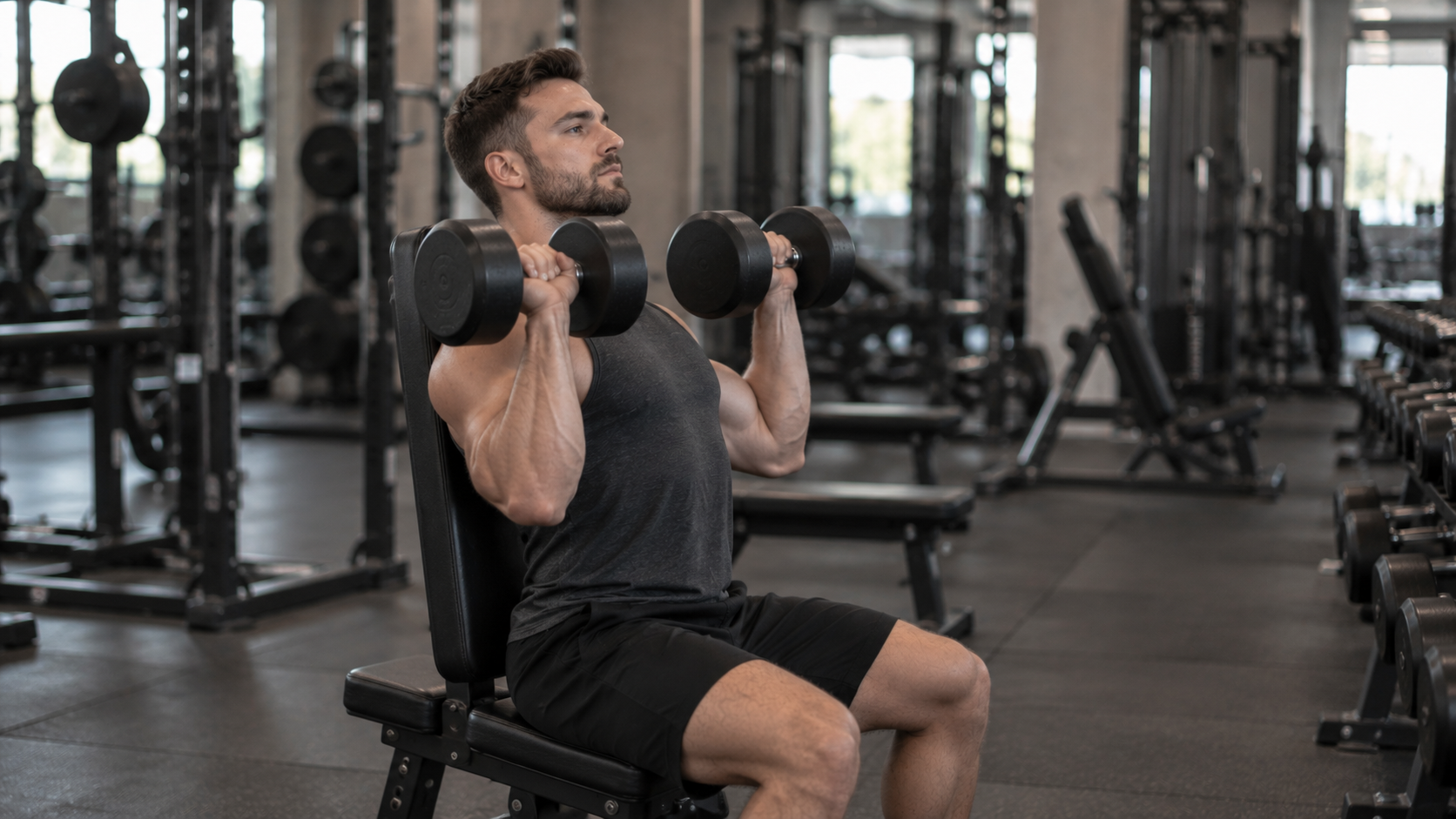
9 min read
How to Do the Arnold Press
Learn the Arnold press setup, the wrist turn, and the controlled lowering phase. See what clean reps should feel like and where they usually go wrong.
- shoulders
- dumbbells
- form
Topic
18 articles
Learn the Arnold press setup, the wrist turn, and the controlled lowering phase. See what clean reps should feel like and where they usually go wrong.
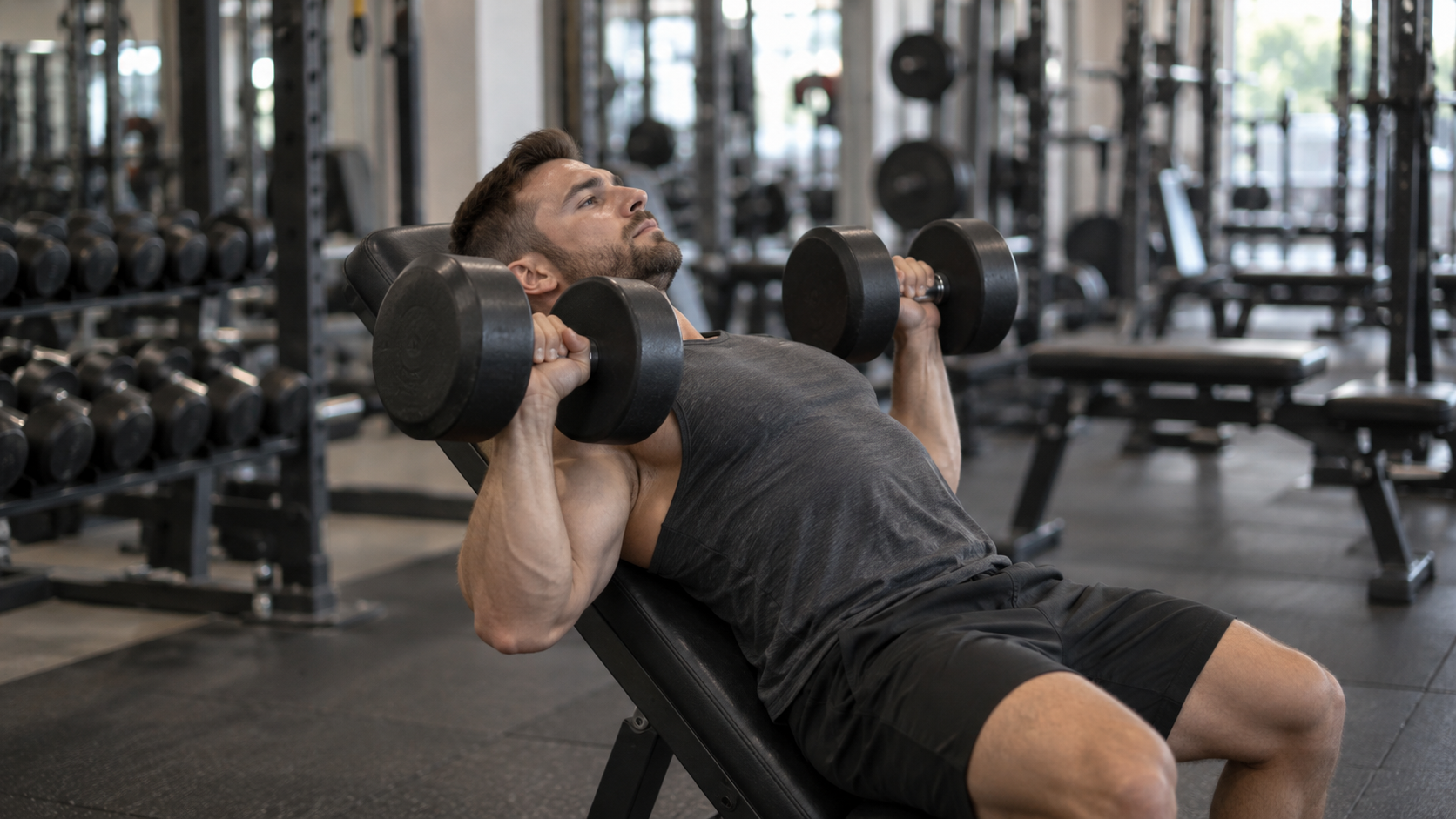
The incline dumbbell press is mainly upper chest work, with front delts and triceps helping through the press. Bench angle, elbow path, and dumbbell control decide how much each muscle contributes.
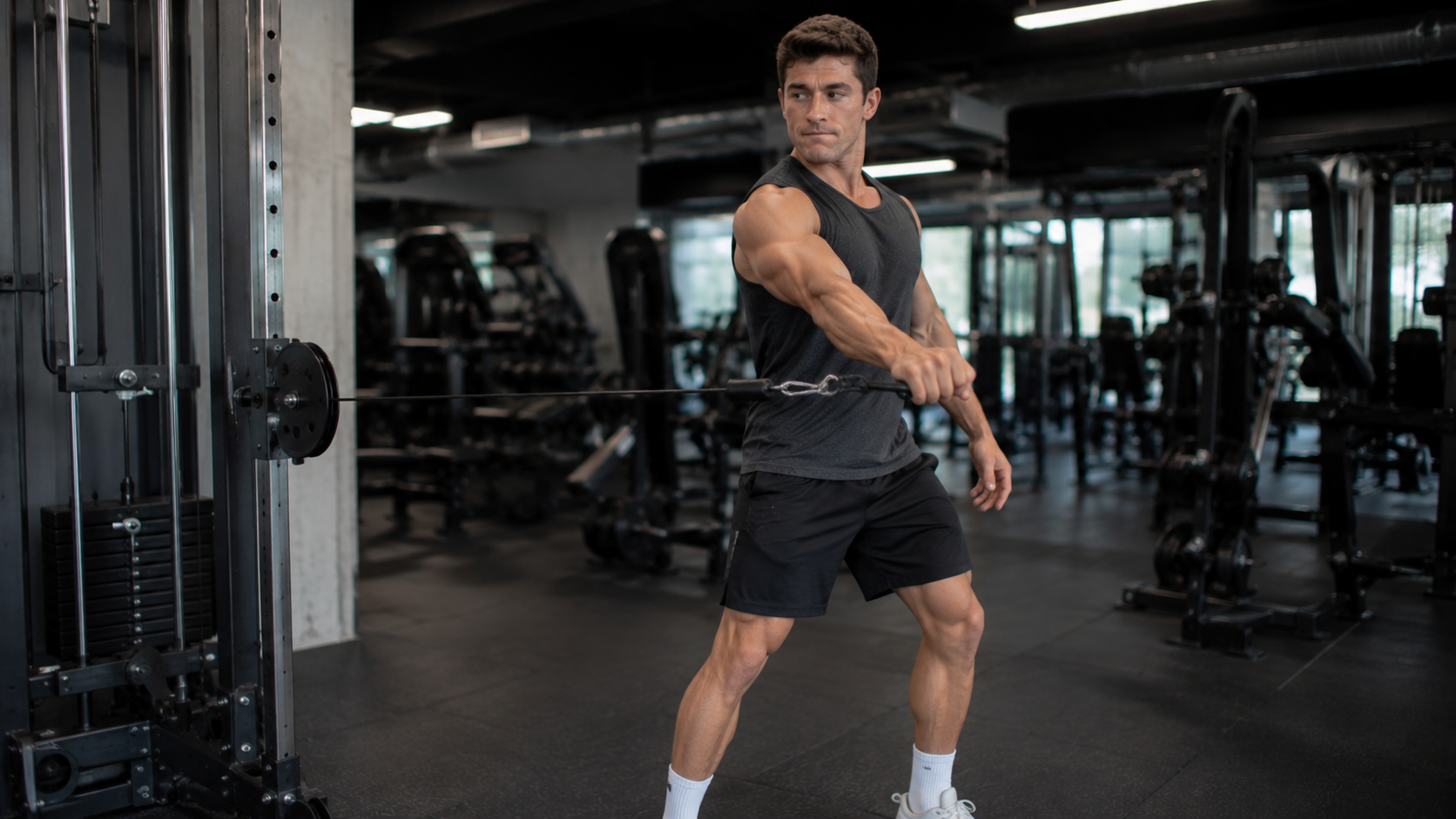
The cable twisting pull works the lats, shoulders, and biceps, with the back driving the rep. The twist and slow return change how the load feels on each side.
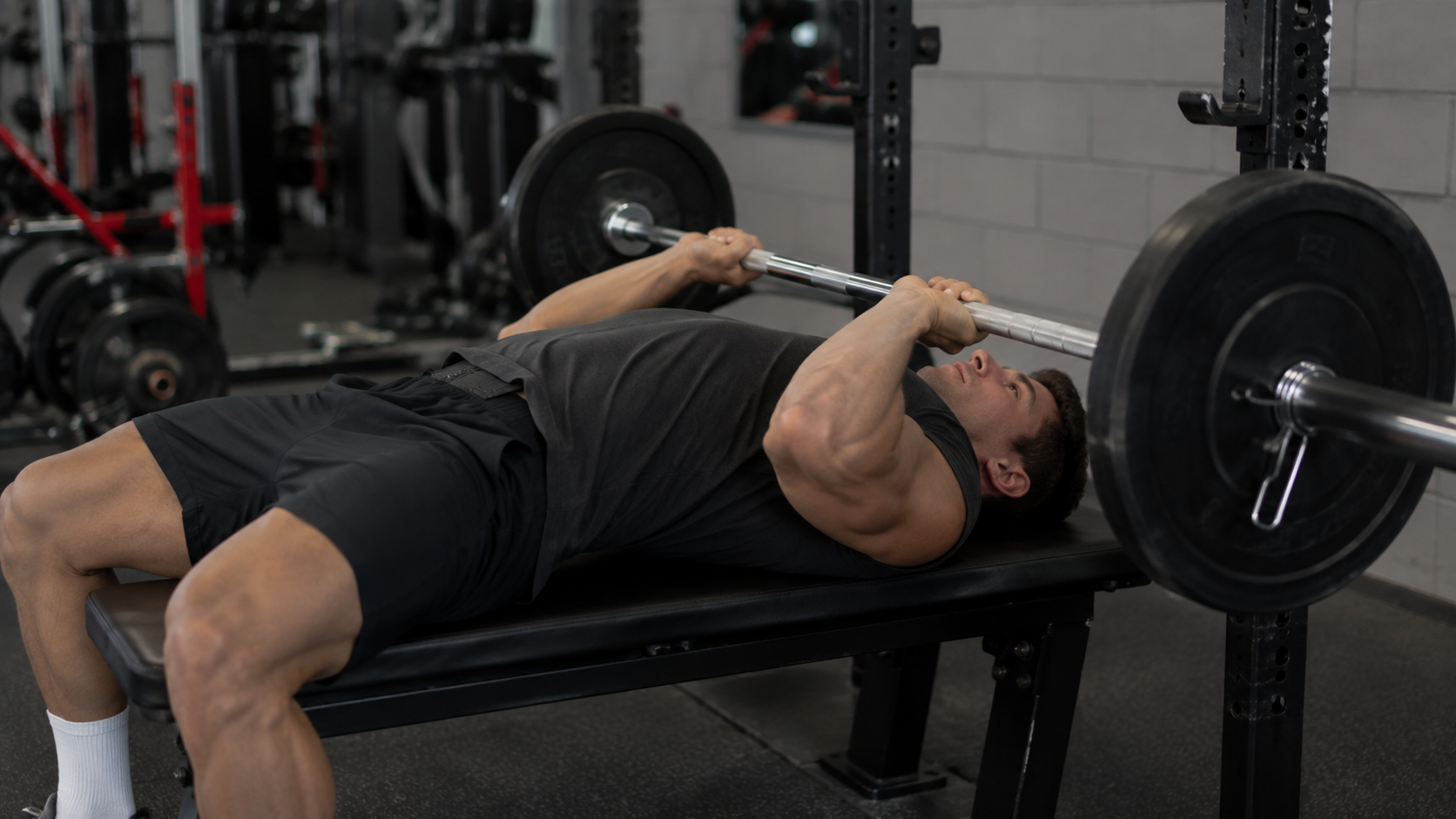
The barbell JM bench press is built around the upper arms, with the triceps doing most of the work. Chest and shoulders assist more or less depending on elbow tuck and bar path.
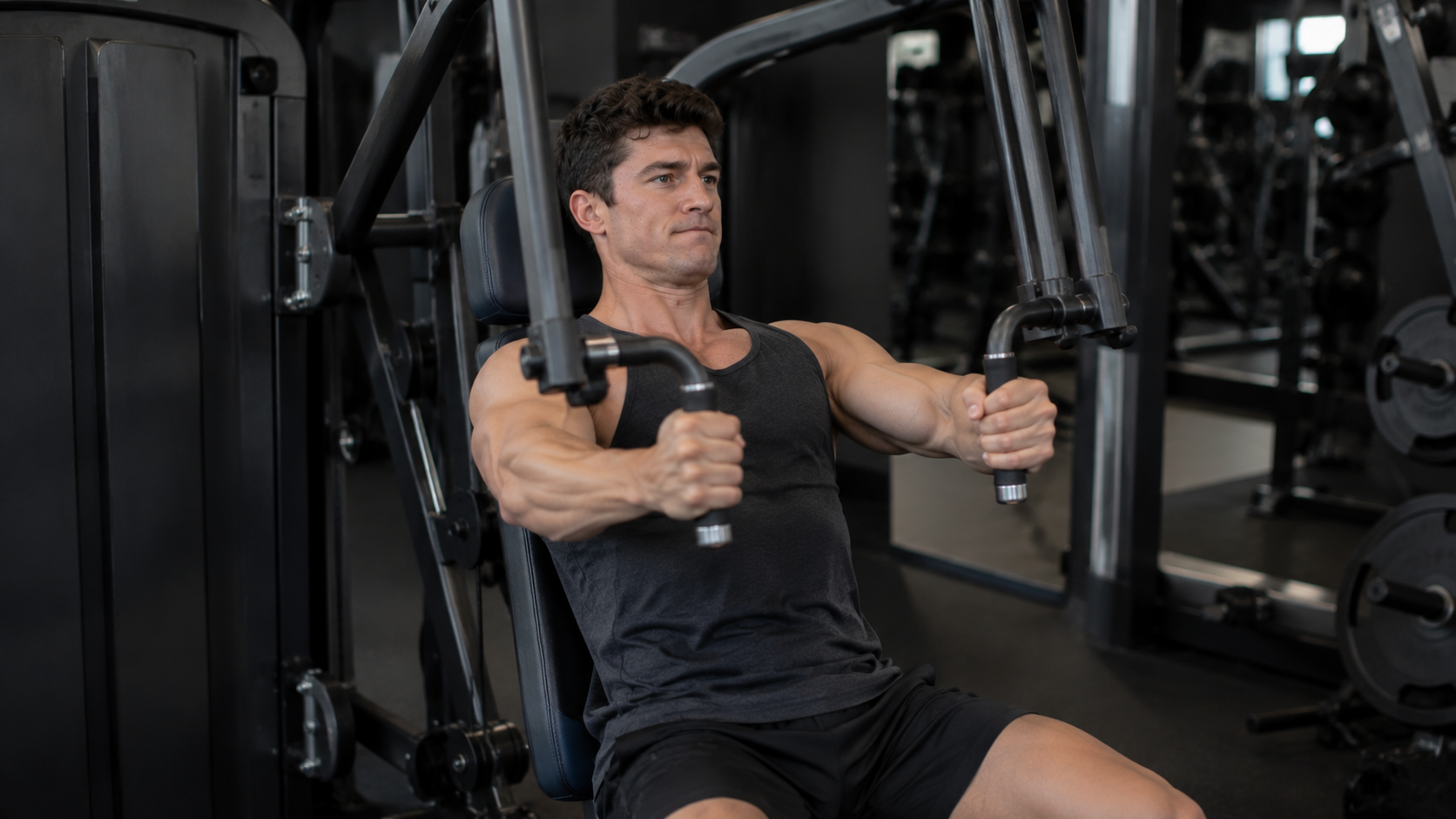
The machine chest press mainly works the chest, with triceps and front delts assisting. Setup and elbow path decide which muscles take more of the load.
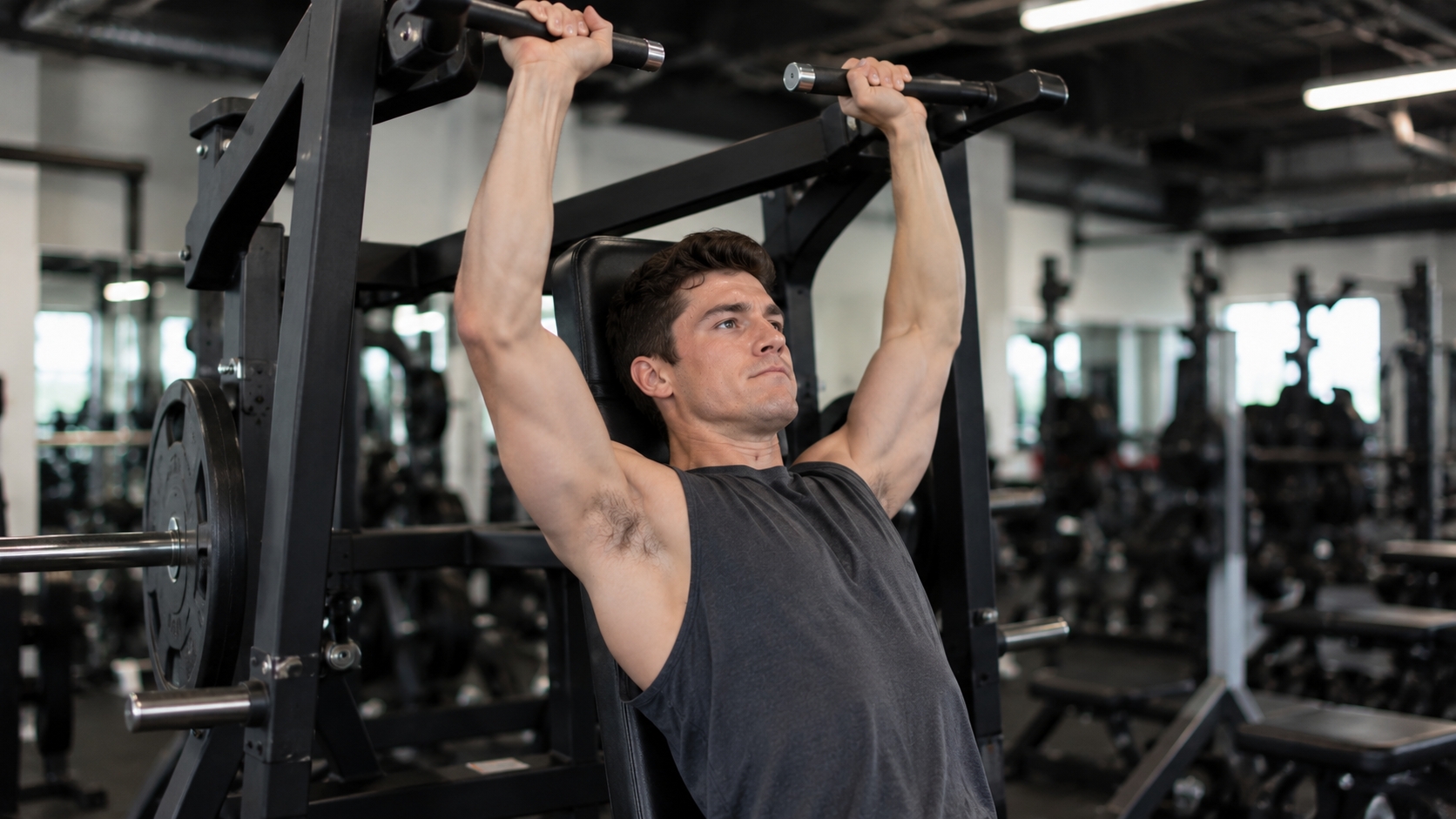
A practical guide to the machine shoulder press, including setup, pressing path, and the feel of a clean rep. Use the video cues and error checks to keep your form tight.
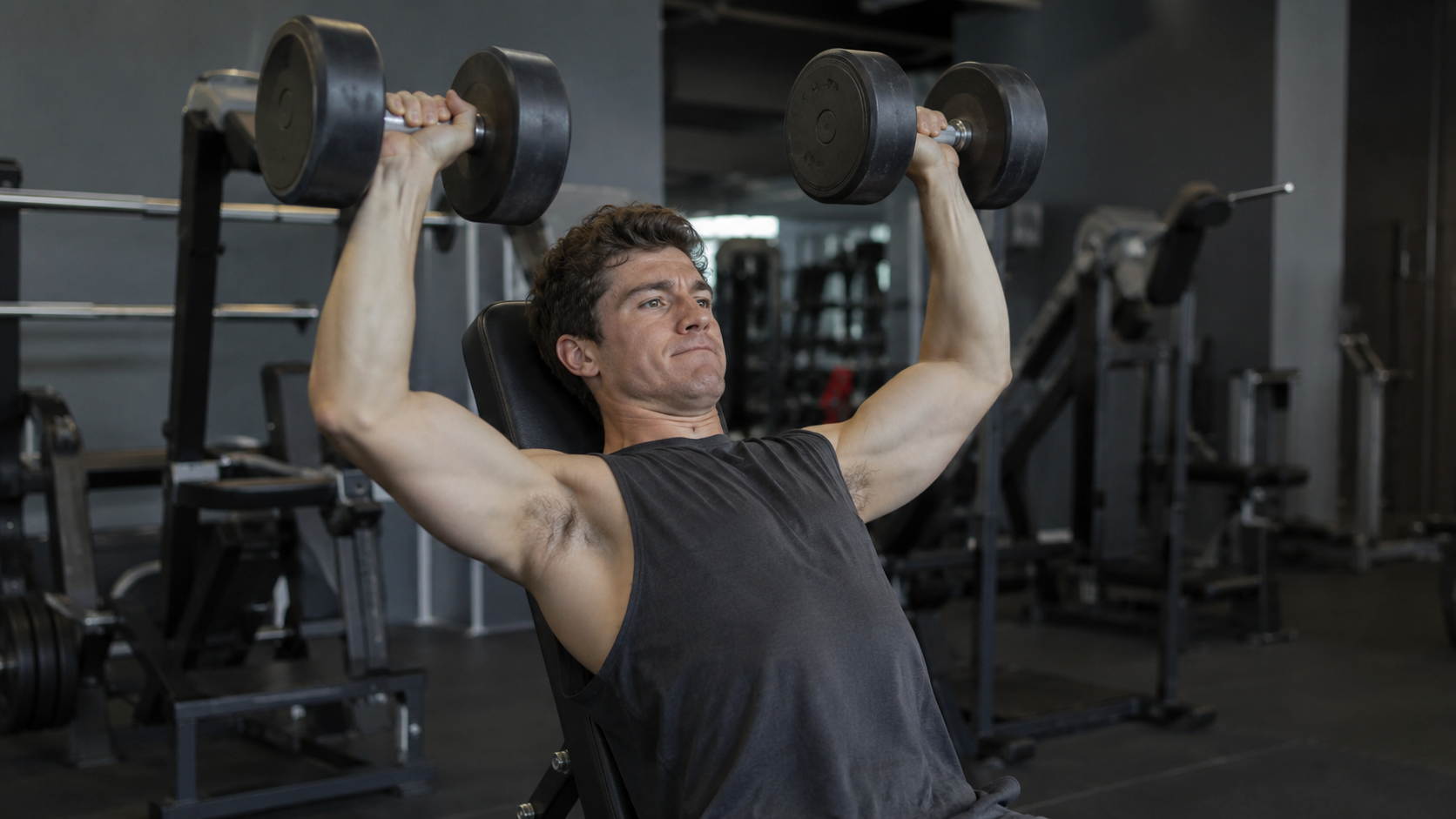
The dumbbell shoulder press mainly works the shoulders and triceps, with the upper back helping stabilize the lift. Small changes in lockout, setup, and path can shift which muscles feel the work most.
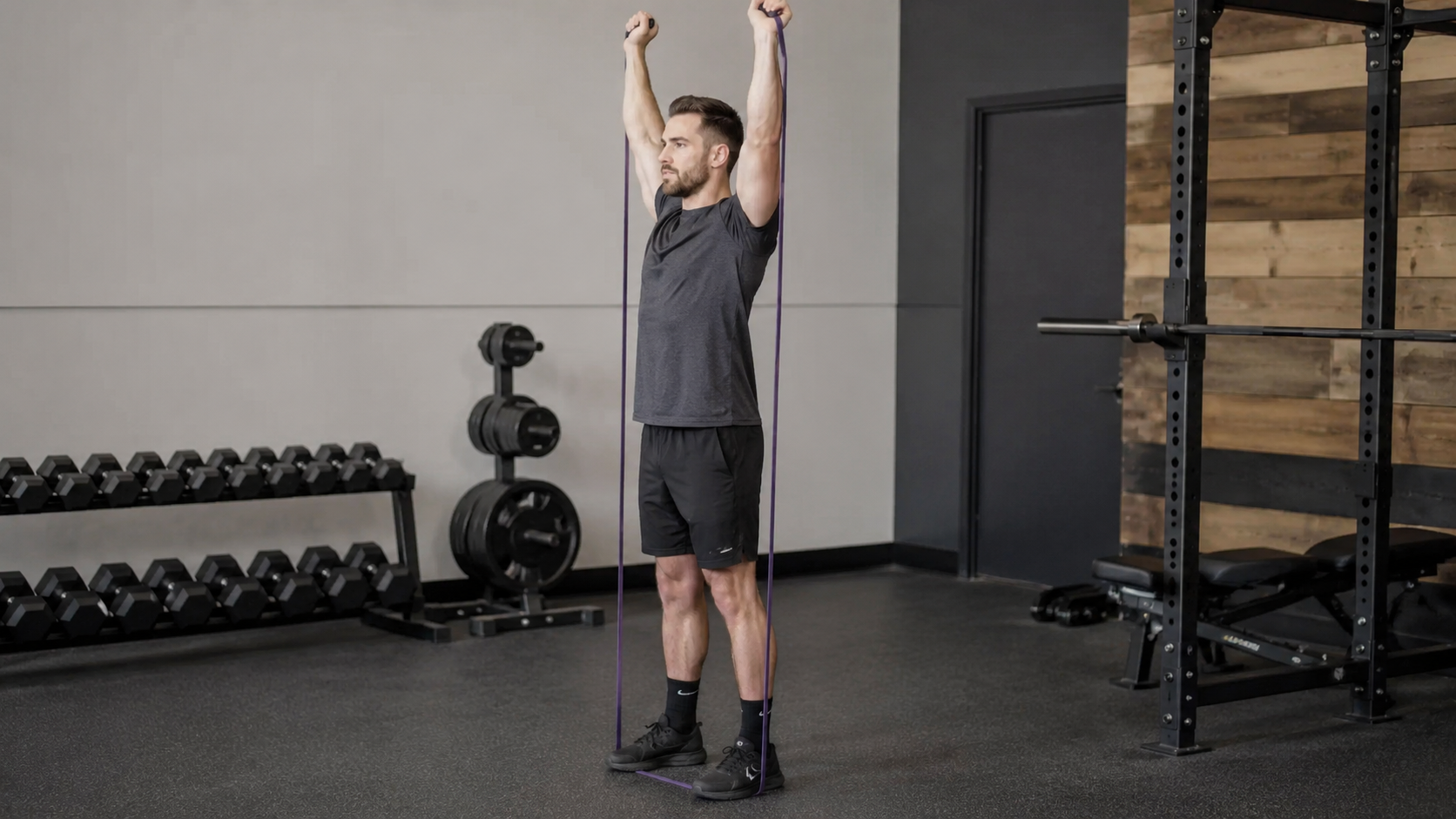
A simple guide to the band shoulder press with setup cues, the correct press path, and the most common form breakdowns. Useful for home or gym training and easy to check on phone video.
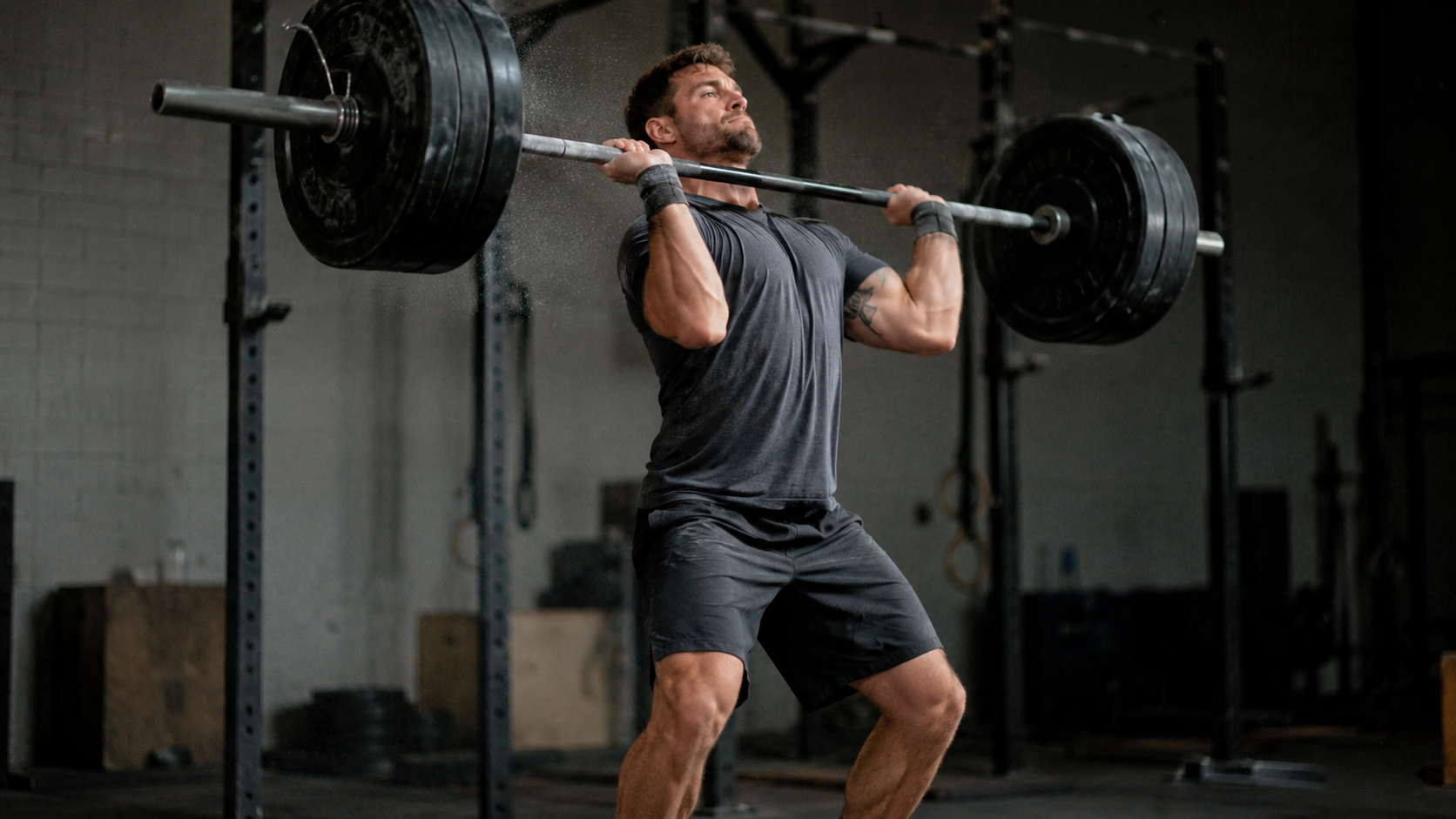
The clean and press is a full-body compound lift, but the load shifts as the rep changes shape. Learn how the legs start it and the shoulders and triceps finish it.
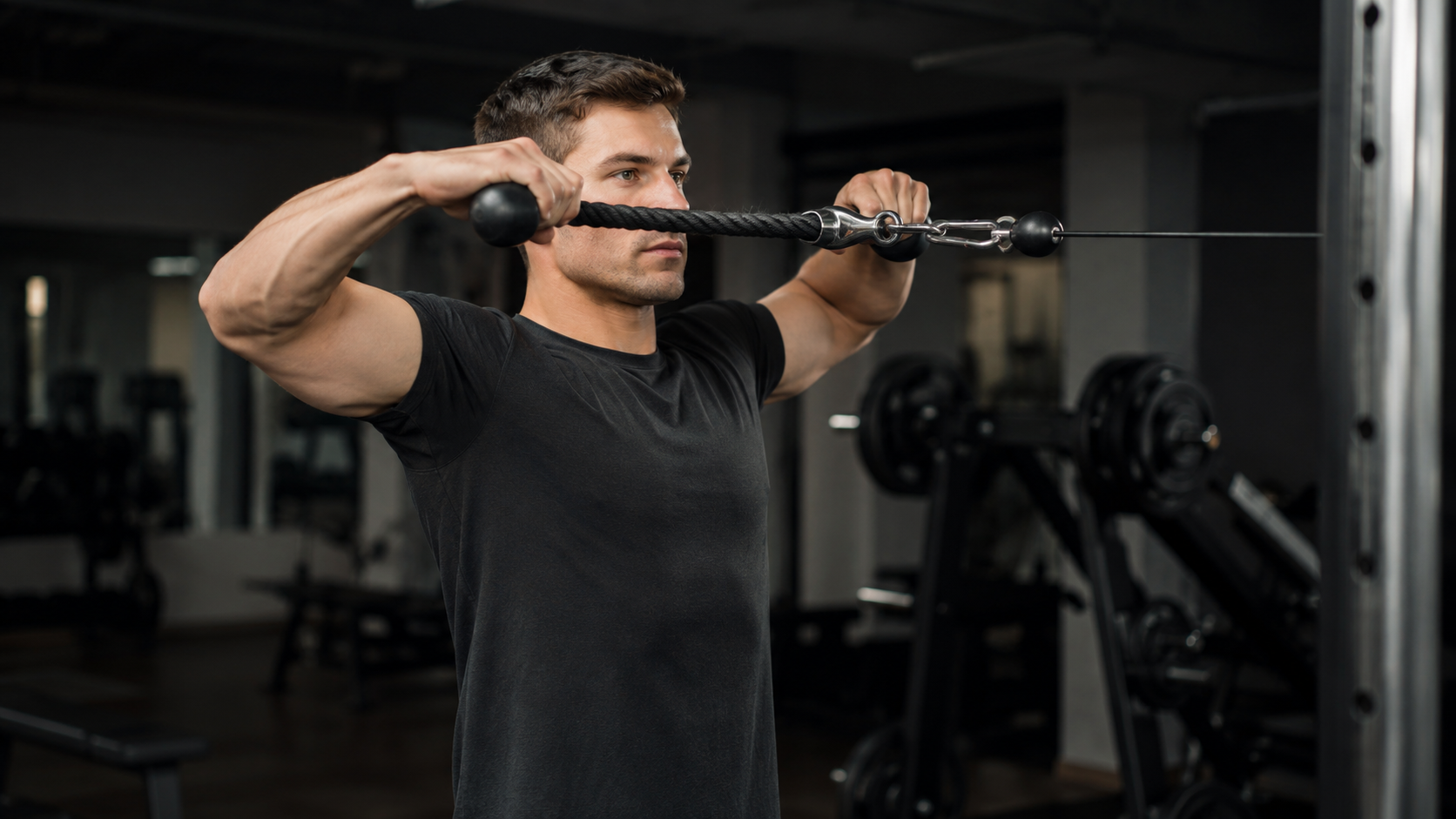
The face pull works the rear deltoids, upper back, and rotator cuff. Small changes in elbow path, torso angle, and finish position shift what you feel most.
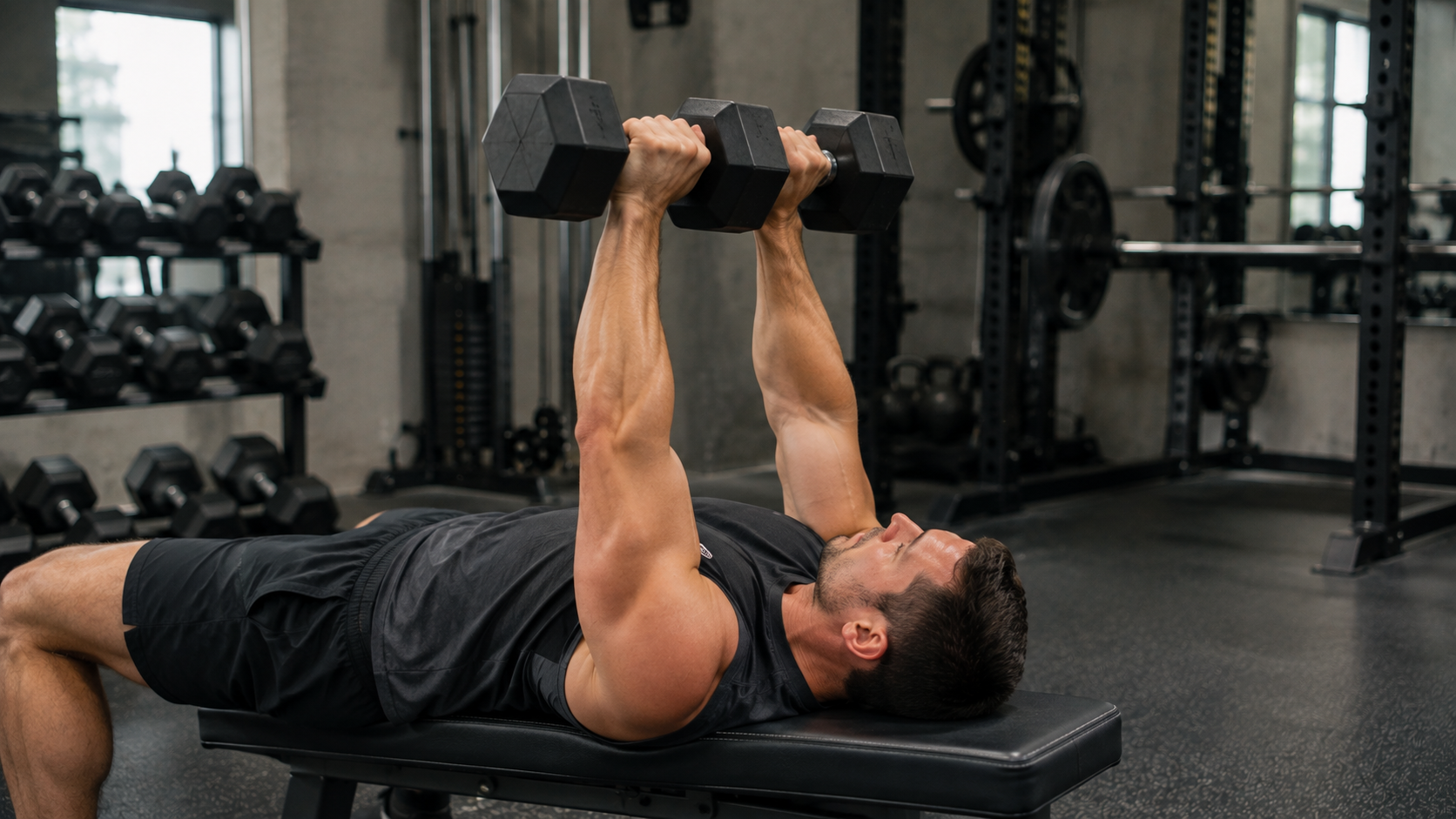
The dumbbell close-grip press is a triceps-led press with the chest and shoulders assisting. Small setup changes shift where the work lands.
The chest does most of the work in the floor fly with barbell, while the shoulders and triceps help through the rep. The floor shortens the range and keeps the movement tighter.
Back to the full journal, or try the free lifting calculators.