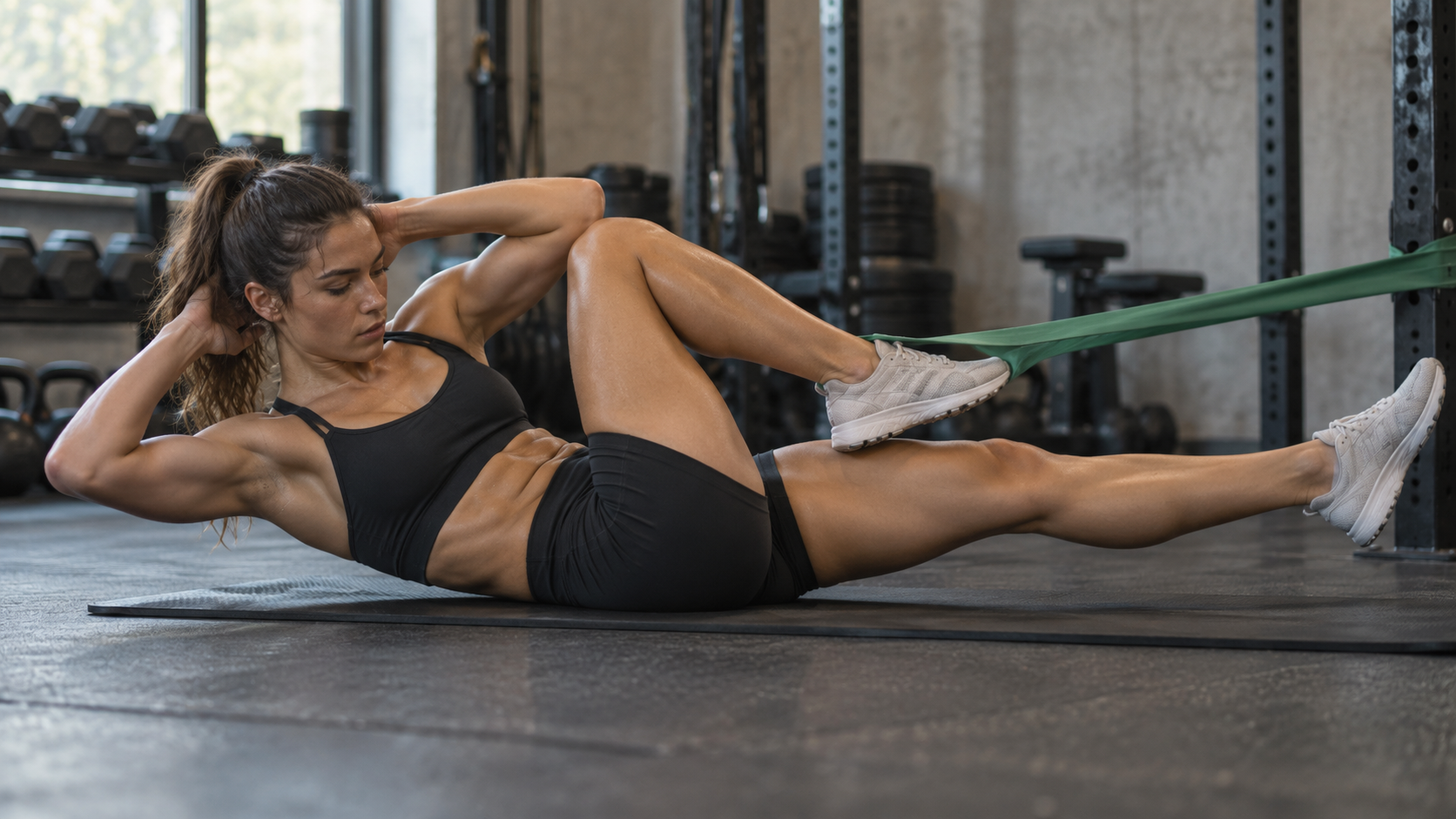
What Muscles the Band Bicycle Crunch Works
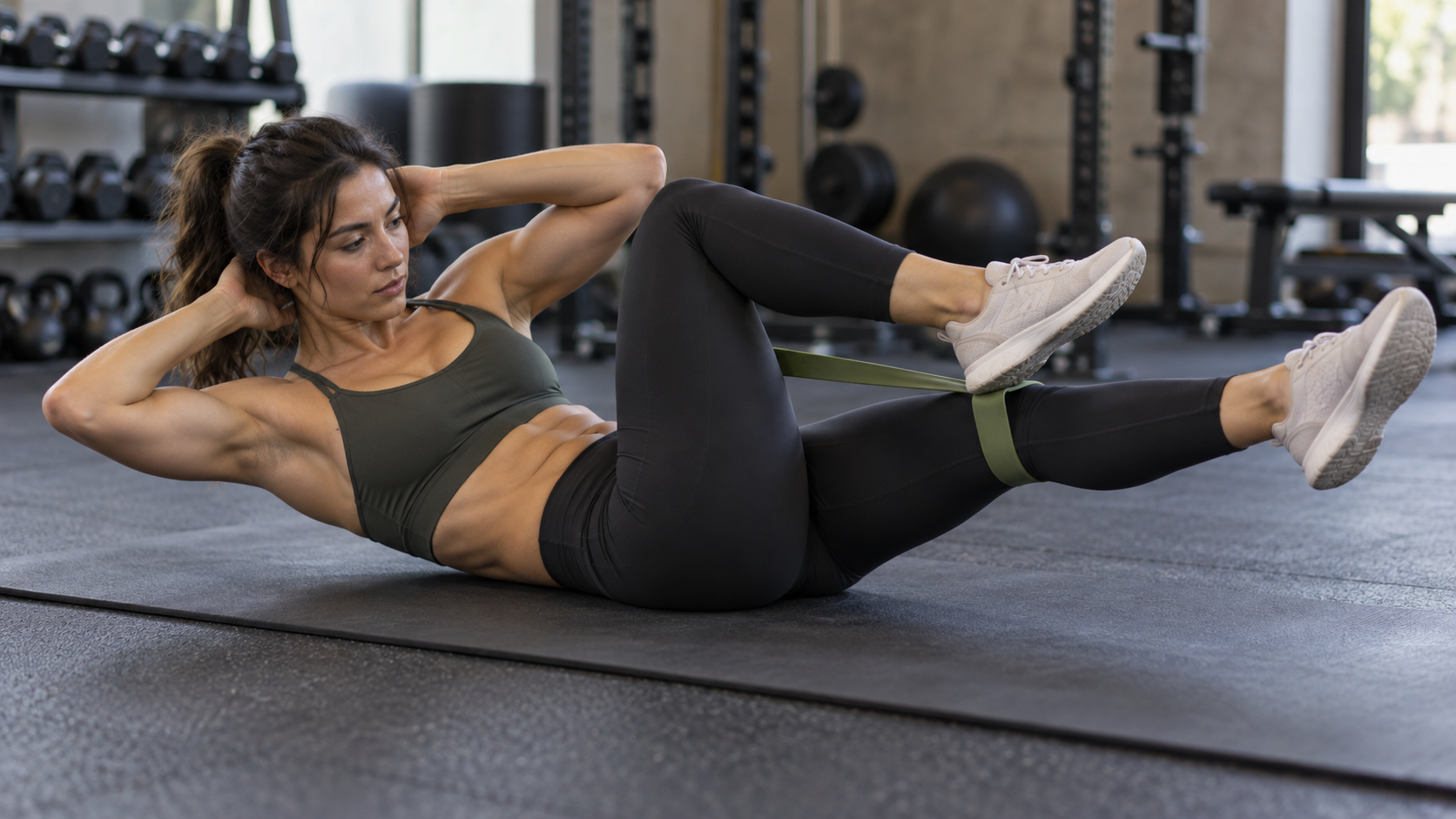
The band bicycle crunch still works your abs first, with the obliques and hip flexors taking more load as you alternate sides. Clean control matters more than rushing the rep.
- abs
- obliques
- hip-flexors
The Corect Journal
Technique, programming and the parts of training that actually move the needle. No listicles, no supplement affiliate links.

The band bicycle crunch still works your abs first, with the obliques and hip flexors taking more load as you alternate sides. Clean control matters more than rushing the rep.

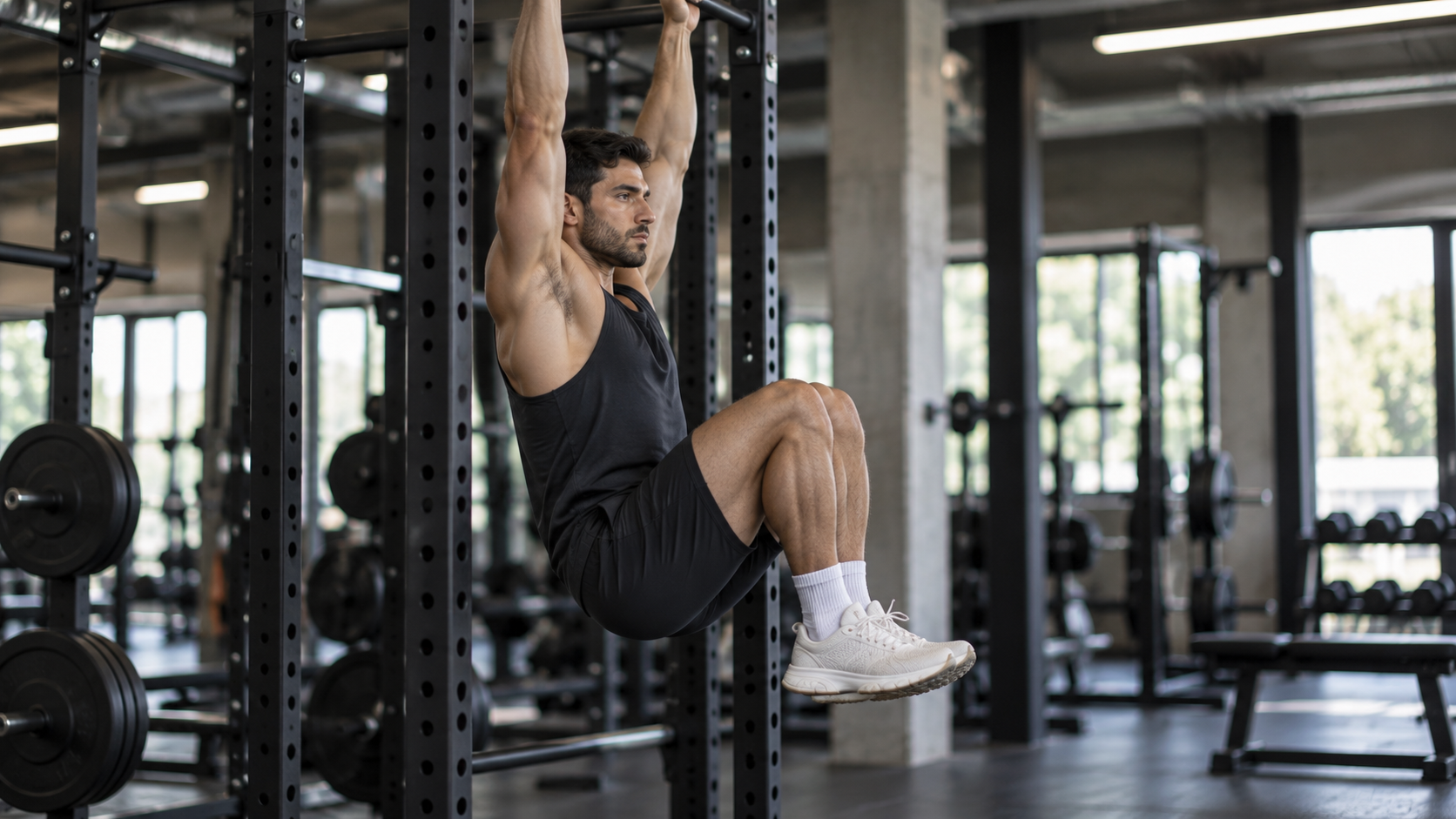
A straight guide to the assisted hanging knee raise, from a clean dead hang to a controlled knee drive. Learn the setup, rep path, and the mistakes that turn the movement into a swing.

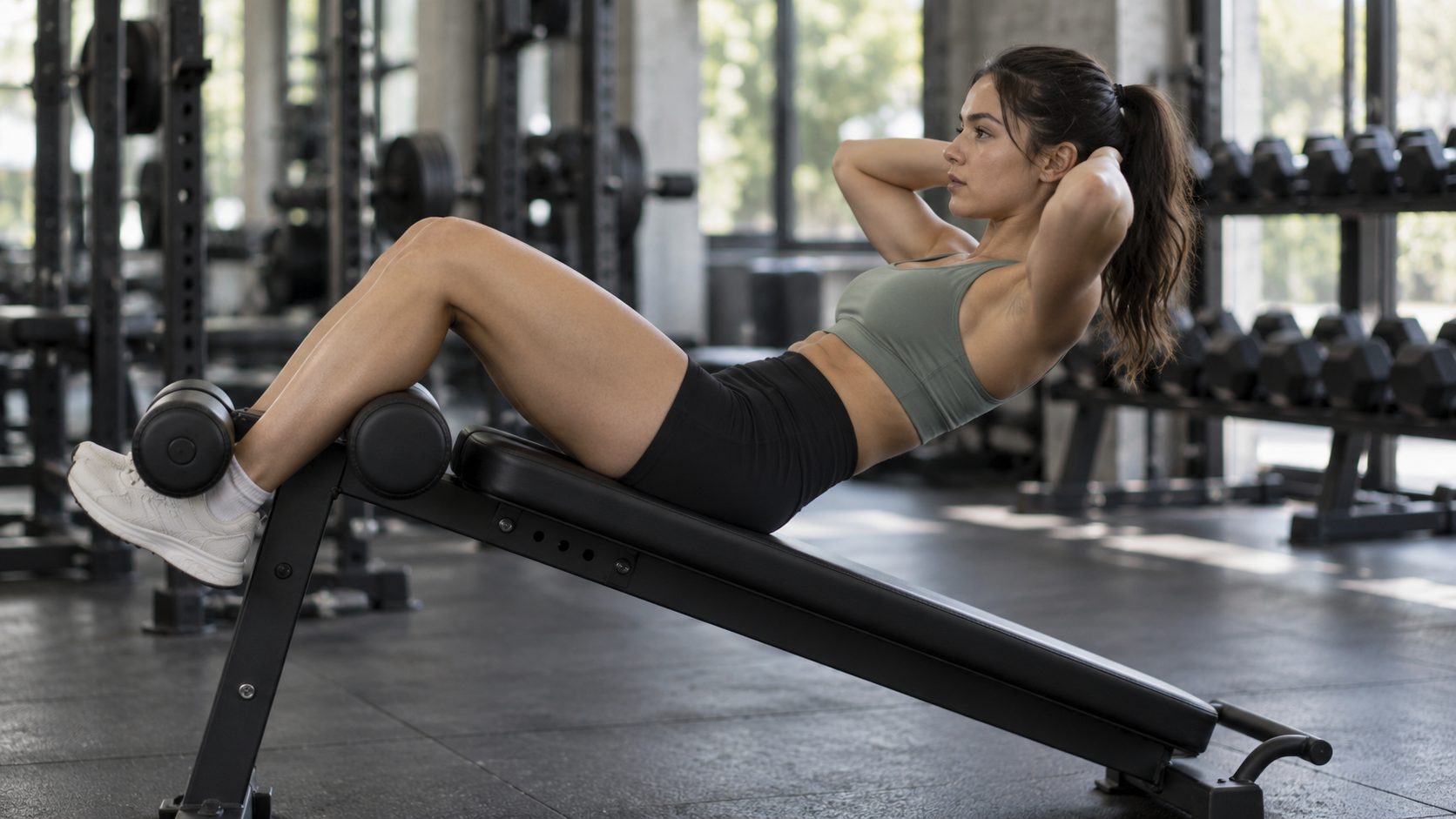
The assisted sit-up loads the abs first, then brings in the hip flexors as the torso keeps moving toward the top. Foot support makes the rep harder to fake and easier to control.

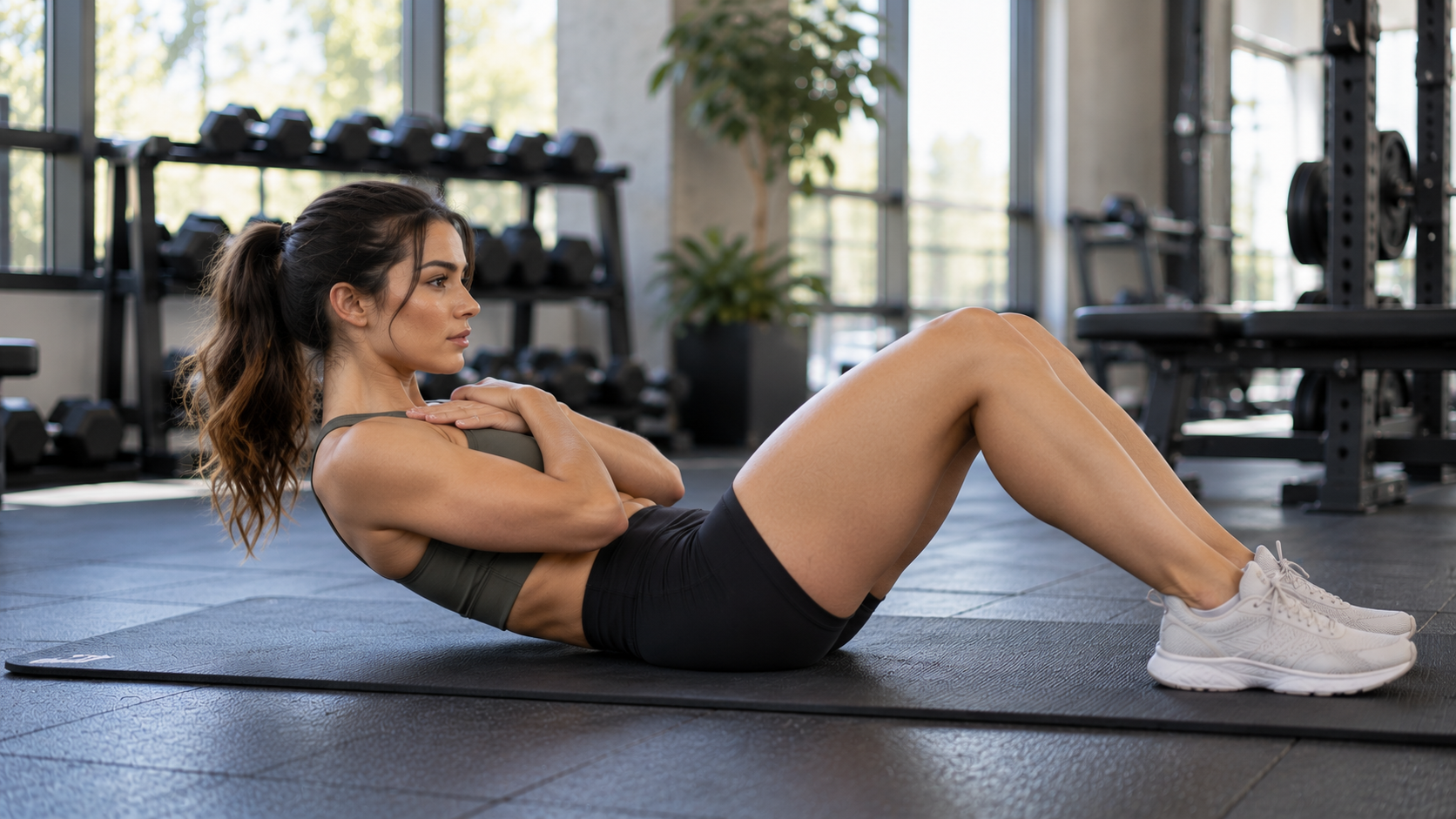
The 3/4 sit-up mainly works the abs, with the hip flexors and lower back helping. Range of motion and tempo decide how much each muscle contributes.

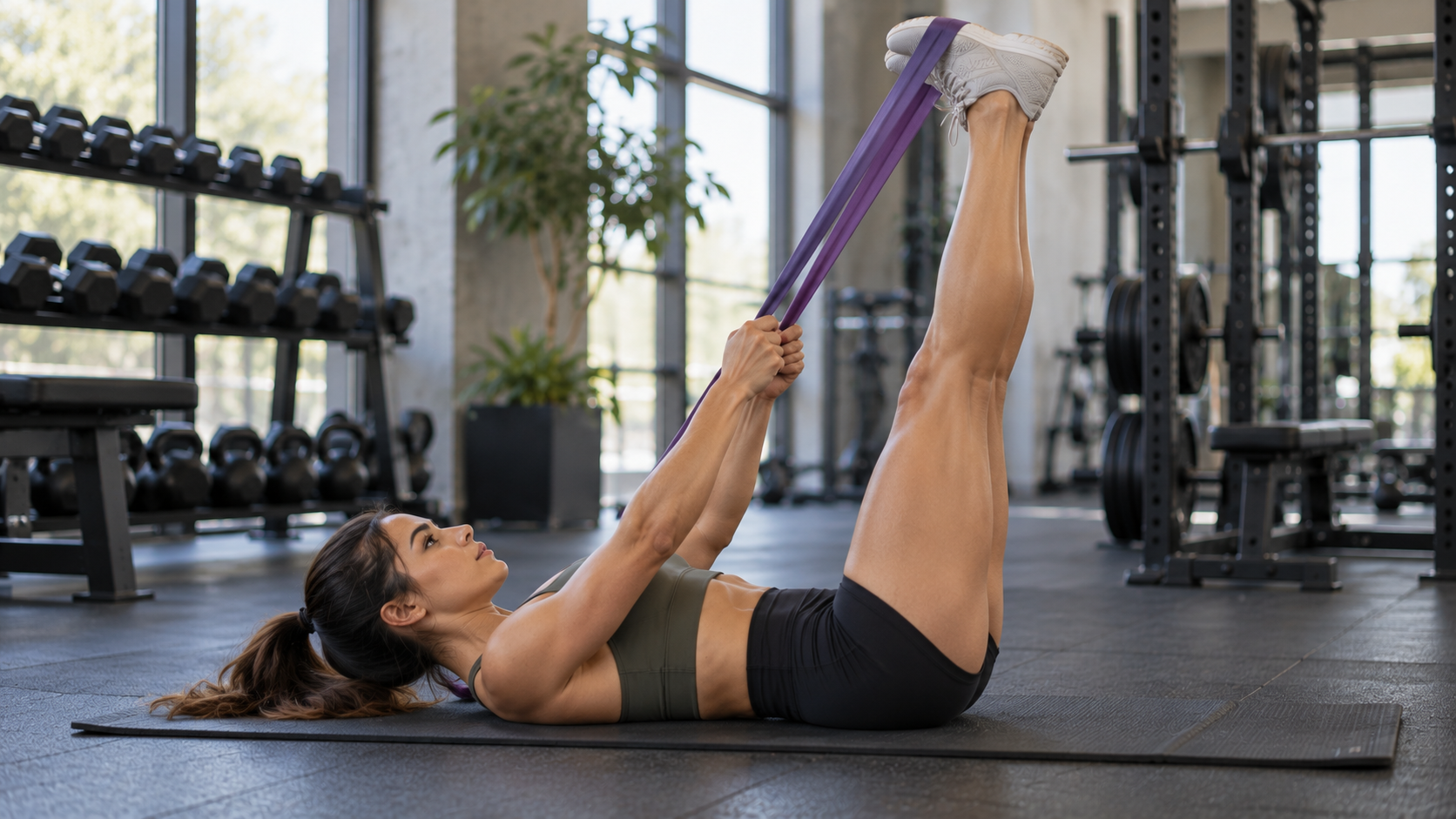
A clear guide to the band lying straight leg raise, from setup to the top position and the controlled lowering phase. Learn the form cues that keep the hips quiet and the abs working.

The back and forth step spreads the load across your legs while your heart rate climbs. Pace, step length, and control change where you feel the work most.

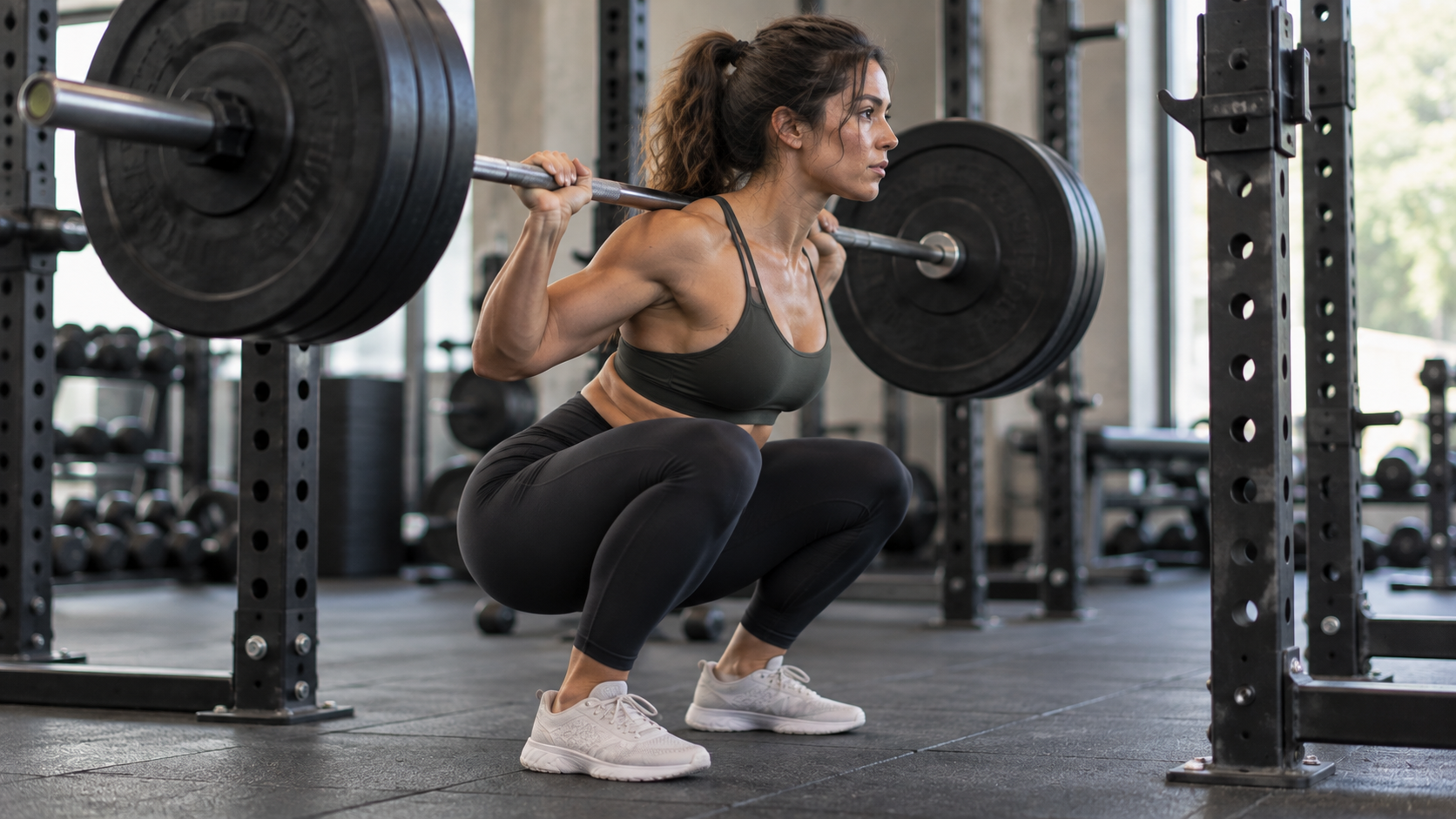
The barbell back squat shares load between your quads, glutes, hamstrings, and core. Depth, stance, and torso angle decide which muscles take more of the work.

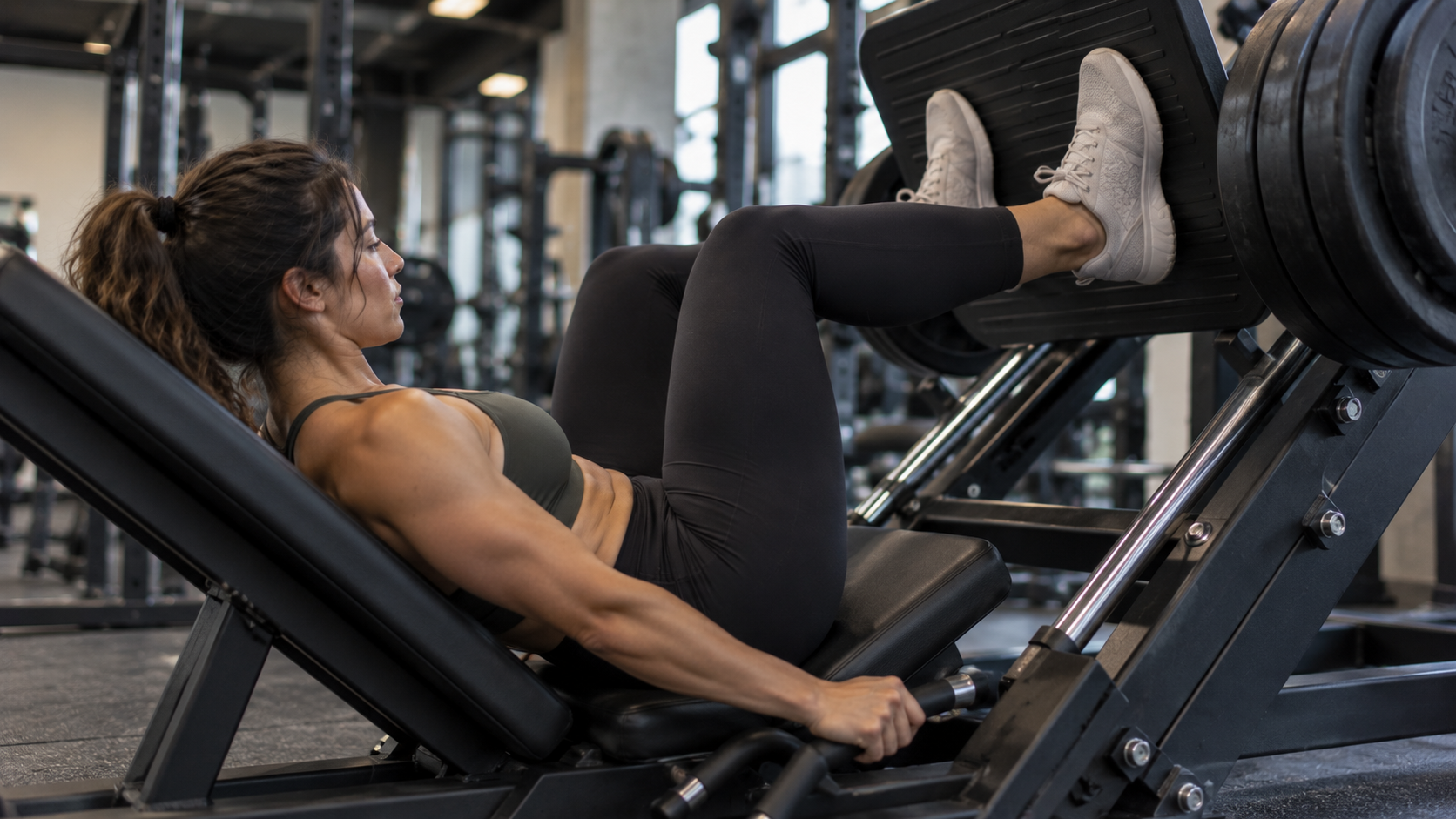
The leg press mainly trains the quads and glutes, with the hamstrings and calves helping out. Foot placement, depth, and control change where the work lands.

Learn how to set up the band bicycle crunch, keep the twist organized, and spot the breakdowns that make the rep messy. Use video cues to compare what you feel with what you see.

The step-up mainly works the quadriceps and glutes, with the hamstrings and calves assisting. Form, step height, and control change how the load shifts rep to rep.

The front raise is a shoulder exercise that mainly works the front delts, with the biceps and trapezius helping. Small form changes can shift where the load lands.

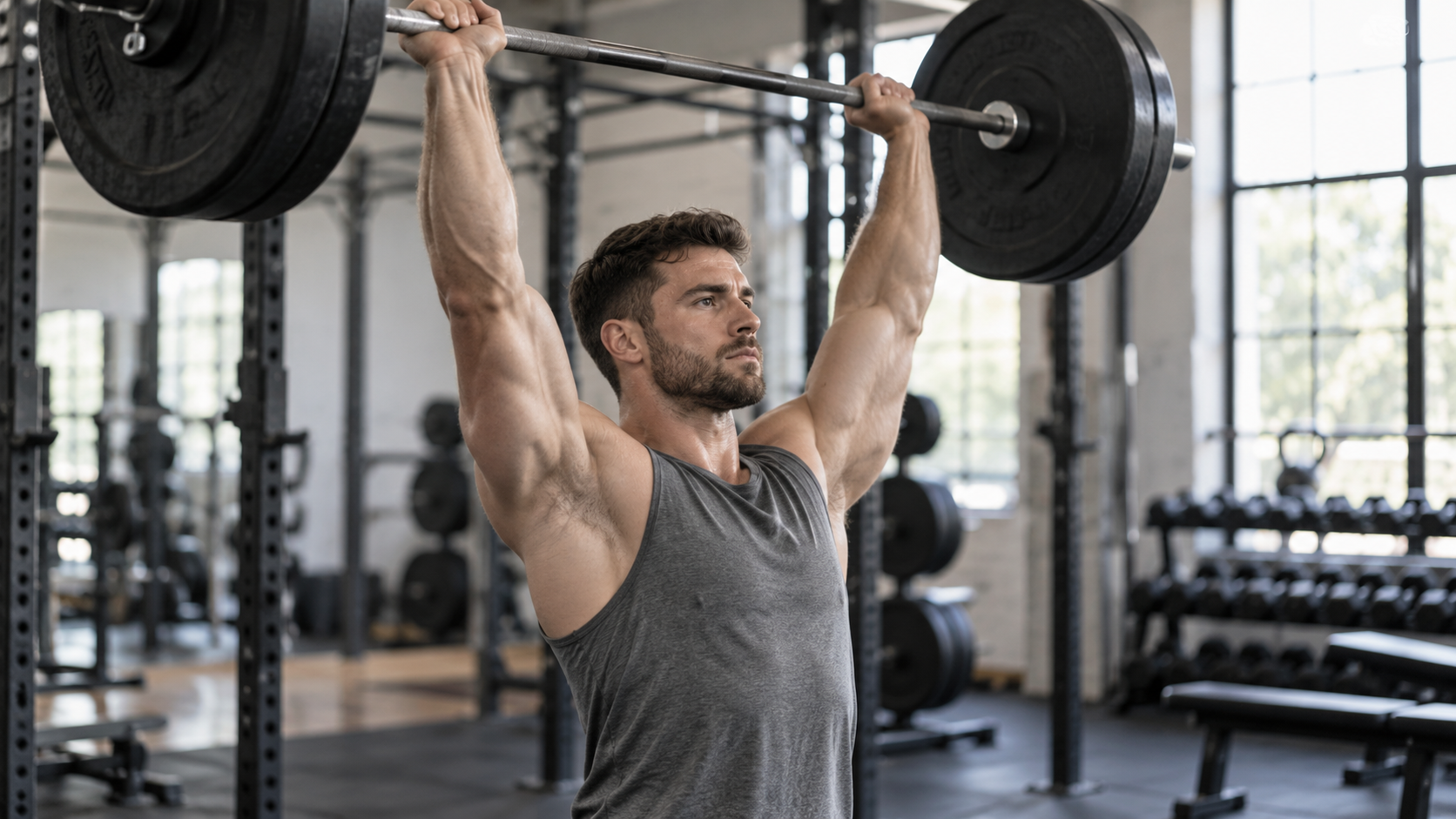
The overhead press is a shoulder-led compound lift, with the triceps, upper chest, core, and upper back helping finish the rep. Clean technique keeps the load stacked overhead instead of turning it into a lean-back save.
Ten free calculators for the arithmetic side of training — maxes, percentages, plate math, warm-up ramps, macros. No signup, and what you type in one carries into the next.